08045476384


 English
 Spanish
 French
 German
 Italian
 Chinese (Simplified)
 Japanese
 Korean
 Arabic
 Portuguese



Most Popular Products

 Send Inquiry
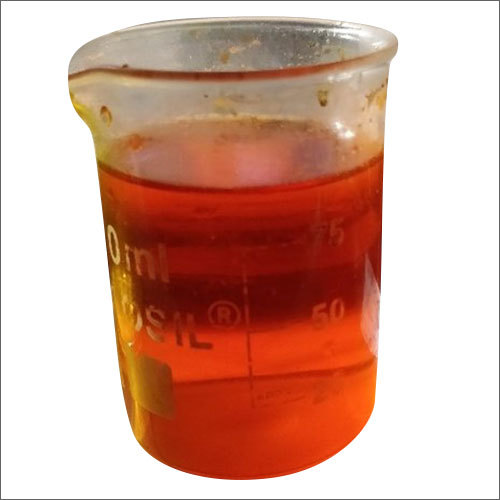
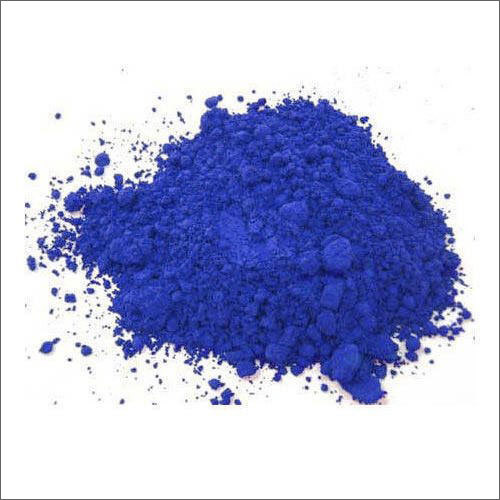
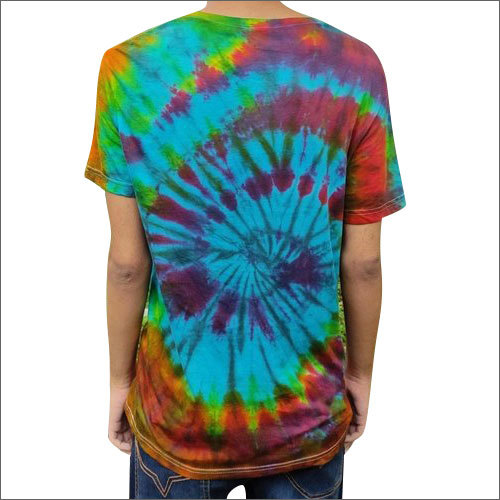
Industrial Textile Dyes
Price 50-600000 INR/ Kilograms
MOQ : 10 Kilograms
Industrial Textile Dyes Specification
- Density
- 1.5 Gram per cubic centimeter(g/cm3)
- Rubbing Resistance
- Good to Excellent
- Shelf Life
- 2 Years
- Solvent Color
- Various shades depending on dye type
- Melting Point
- 120-180°C
- Water Resistant
- Yes
- Ph Level
- 6-8
- Solubility
- Water soluble (very good for most dye classes)
- Resistance
- High resistance to light, washing, and perspiration
- Taste
- Odorless
- Moisture (%)
- <1.0%
- Smell
- Odorless
- Boiling point
- Decomposes
- Shape
- Powder/Granules
- Molecular Formula
- Varies
- Poisonous
- Yes
- Chemical Name
- Varies by Dye Type
- Type
- Acid, Direct, Reactive, Vat, Disperse, Basic
- Usage
- Textile Dyeing
- Purity(%)
- >98%
- Application
- Industrial Textile Dyeing and Printing
- Appearance
- Powder or Granular
- Physical Form
- Solid
- Grade
- Industrial Grade
- Thermal Stability
- Good up to process temperatures
- Regulatory Approvals
- Meets commercial textile regulations (REACH, ISO)
- Color Range
- Wide spectrum available (Red, Blue, Yellow, Green, Black, etc.)
- Heavy Metals Content
- Complies with international standards
- Packaging Size
- 25 kg / 50 kg Bags
- Compatibility
- Suitable for natural and synthetic fibers
- Market Segment
- Textile mills, garment factories
- Handling Precautions
- Use protective equipment during handling
- Fastness Properties
- Excellent fastness to washing, rubbing, light
- Storage Recommendation
- Store in cool, dry conditions
Industrial Textile Dyes Trade Information
- Minimum Order Quantity
- 10 Kilograms
- Supply Ability
- 50 Kilograms Per Day
- Delivery Time
- 1-2 Week
About Industrial Textile Dyes
Backed by a team of experts, we have been a reliable manufacturer of Industrial Textile Dyes in the market. They include acid dyes, used mainly for dyeing silk, wool, and nylon; and direct or substantive dyes, which have a strong affinity for cellulose fibres. Industrial Textile Dyes are applied to cellulosic fibres, wool, or silk after such materials have been treated with metal salts.
Broad Compatibility for Multiple Textile Applications
Our industrial textile dyes are engineered for exceptional compatibility with various fiber types, such as cotton, polyester, rayon, and blends. Whether you aim to dye natural or synthetic materials, these dyes provide consistent, vivid results. Their versatility ensures seamless integration into dyeing or printing processes in textile mills and garment factories, enhancing efficiency and product quality.
Superior Fastness and Safety Standards
With outstanding fastness properties, these dyes maintain color integrity against washing, light exposure, rubbing, and perspiration. Engineered to comply with international heavy metal limits and regulatory approvals like REACH and ISO, they offer peace of mind for both safety and environmental stewardship. Non-toxic and odorless formulations enhance workplace safety during industrial handling.
Optimal Storage and Easy Handling
Packaged in robust 25 kg or 50 kg bags, our dyes offer a shelf life of up to two years when stored in cool, dry conditions. Low moisture content and solid, granular form factor ensure easy measurement and minimal waste. Always use appropriate protective equipment to safeguard operators and maintain product integrity during use.
FAQ's of Industrial Textile Dyes:
Q: How should industrial textile dyes be stored to ensure maximum shelf life?
A: Store the dyes in cool, dry conditions and keep the packaging tightly sealed. Avoid exposure to moisture and direct sunlight. Under these recommended conditions, the dyes maintain their quality and efficacy for up to two years.Q: What fibers are compatible with these industrial textile dyes?
A: These dyes are suitable for a wide array of fibers, including both natural (like cotton and wool) and synthetic fibers (such as polyester and nylon). They are engineered to provide vibrant, uniform coloration regardless of fabric type.Q: When should protective equipment be used during handling?
A: Always wear protective equipment, including gloves, masks, and eye protection, when handling these dyes to prevent direct skin or respiratory exposure, in line with good industrial practice.Q: Where can these dyes be used in the textile industry?
A: They are ideal for use in textile mills and garment factories, where large-scale textile dyeing or printing processes are conducted. Their versatility supports both batch and continuous dyeing operations.Q: What are the benefits of using these dyes in industrial textile production?
A: Benefits include excellent color fastness, high water and light resistance, broad fiber compatibility, non-toxic formulations, and compliance with international safety standards, ensuring high-quality, durable textiles.Q: How are the dyes applied in textile dyeing and printing processes?
A: Depending on the dye type (acid, direct, reactive, vat, disperse, or basic), they are dissolved in water and applied using established dyeing or printing processes suited to the specific fiber and end-use requirements.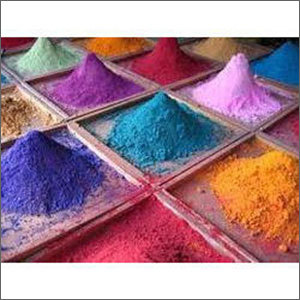
Tell us about your requirement

Price:
Quantity
Select Unit
- 50
- 100
- 200
- 250
- 500
- 1000+
Additional detail
Mobile number
Email

More Products in Textile Dyes Category
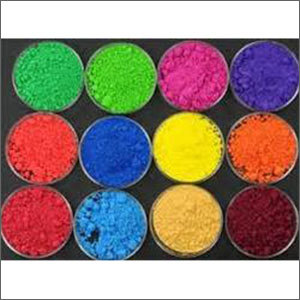
Textile Colored Dyes
Price 50-600000 INR / Kilograms
Minimum Order Quantity : 10 Kilograms
Physical Form : Solid
Shelf Life : 2 Years
Smell : Other, Odorless
Moisture (%) : <1%

Quick Inquiry



Contact Details
KHATAU VALABHDAS AND CO.
GST : 27AAAFK2546F1ZL
GST : 27AAAFK2546F1ZL
B No. 142, 1st Floor, Indian Globe Chambers, Fort Street, Off D N Road, Opposite Mc Donald,Mumbai - 400001, Maharashtra, India
Phone :08045476384
 Send Inquiry
 |
KHATAU VALABHDAS AND CO.
All Rights Reserved.(Terms of Use) Developed and Managed by Infocom Network Private Limited. |
